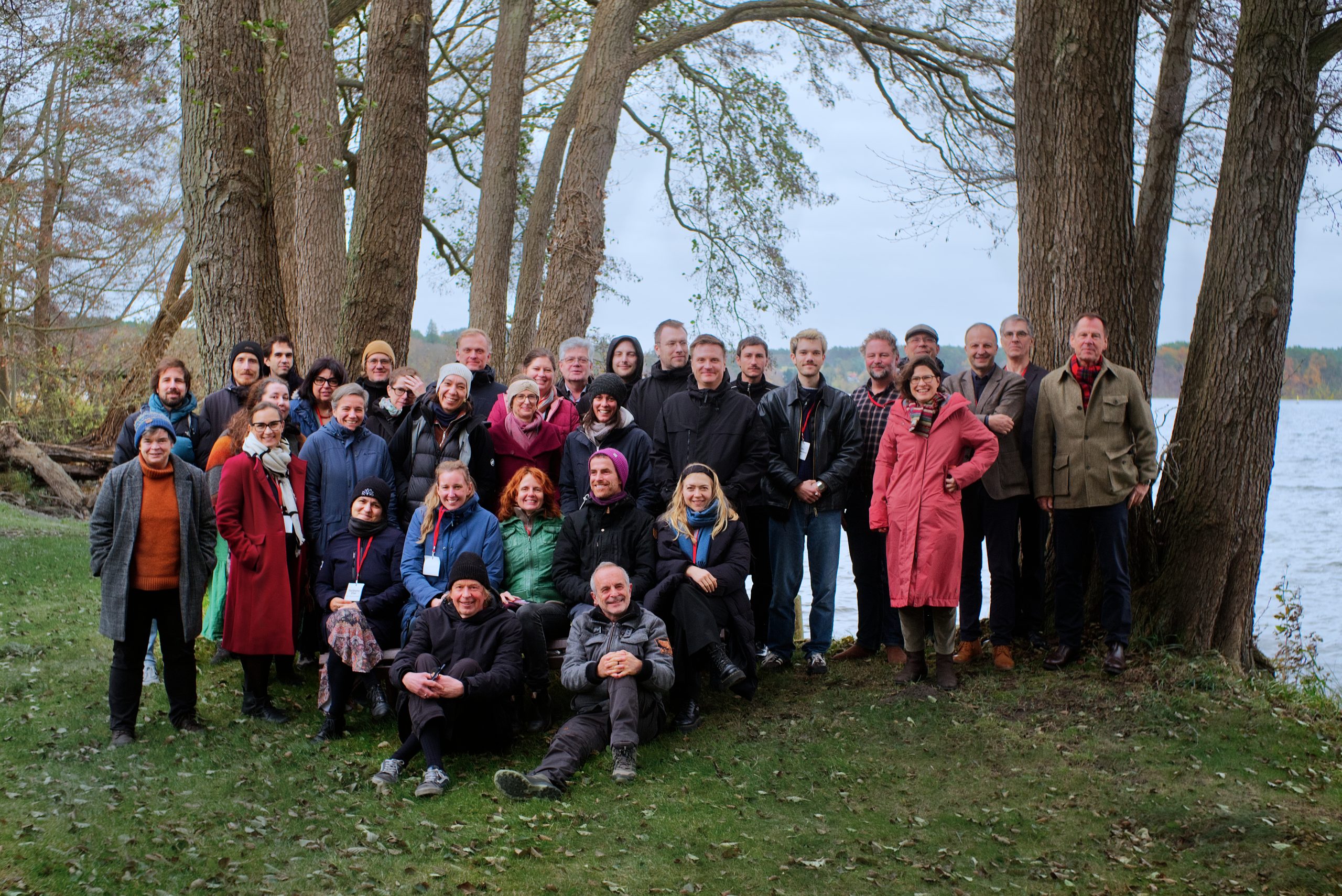
That biomass will become tight in Europe is something hardly anyone still disputes. The denkhausbremen conference “Closing the Biomass Gap”, held in Lychen from 17 to 19 November, therefore turned to the next question: how can the gap be closed between rising demand and the limited availability of sustainably sourced biomass?
Photos: Jakob Hilpert
The conference theme “Closing the Gap” is a telling example of how the work of the environmental movement brings progress, and in the right direction at that. In small and manageable steps, admittedly. But it is moving. Where only a few years ago plenty of representatives from business and politics would have denied that biomass supply could become scarce, hardly anyone who wishes to be taken seriously denies it today. That this insight has taken hold is the result of years of persistence: environmental organisations such as denkhausbremen have raised the issue again and again. Today the question is how large the supply gap will be and which strategies are needed to close it, at least halfway.
And the protection of climate and biodiversity drives that gap higher still. If forests are to be left standing and allowed to grow in order to capture more CO2, they are logically no longer available for biomass production. The same applies when protected areas for biodiversity are established, as the Convention on Biological Diversity foresees: by 2030, at least 30 per cent of terrestrial and inland water areas and of marine and coastal areas are to be effectively conserved.
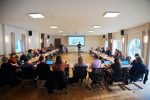
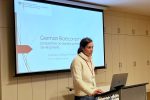
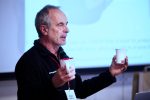
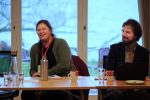

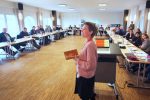


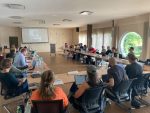
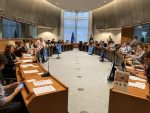
In Lychen, the search for answers began with the political institutions. The European Commission set out the bioeconomy at European level, the Federal Environment Ministry the German one. After a look at the science, the biomass gap was examined by the German Environment Agency, civil society and industry. The biomass potential that forest and field can deliver was then put under critical scrutiny.
Nevertheless, in the run-up to the conference the new bulletin on biomass availability from the Joint Research Centre (JRC) was summed up in Brussels with the rather bold line “Europe has the biomass”. Coupled, at least, with the admission that burning wood on an industrial scale is the very opposite of a careful and efficient cascading use. The same pattern, incidentally, shows up in the fields: a large share of the land ends up in the feed trough of industrial livestock farming. The result is mountains of meat and milk that are neither healthy nor compatible with nature. Only when those mountains shrink will land be freed up to replace fossil raw materials with biomass.
There is plenty of room for improvement, above all in that much-praised coherence of policy. As long as Europe wastes paper on packaging for McDonald’s, Amazon and the rest to excess, as long as the interests of industrial agriculture count for more than the protection of nature and people, and as long as burning wood industrially for energy finds friends in politics, there will be no meaningful room to put biomass to sensible use in the bioeconomy.
And that is precisely where the hope lies: that in the debate on the bioeconomy everything comes together with everything else, and that an honest stocktaking makes it abundantly clear that the current models of forestry and agriculture lead into a dead end. Beyond that sobering finding there is, after all, some good news: they do exist, the more efficient methods, the better value chains and the more sustainable business models for the people who work in forestry and farming. If only they found political majorities. Which puts us squarely in the land of would, could and should. That realisation stings all the more because the phrase “political majorities” was, of course, a rendezvous with political reality. And that reality is bleak: in Europe too, sustainability and climate protection are currently being ground down in the name of economy and competitiveness. Although those who decide ought to know better: ecology is economics for the long run.
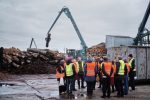
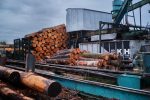
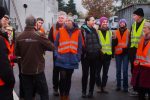
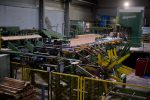
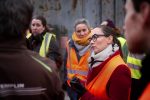
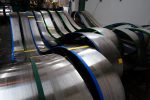
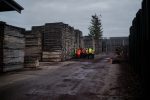
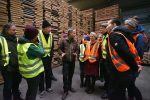
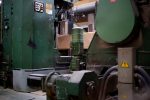
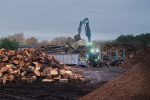
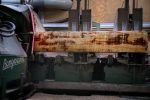
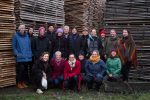
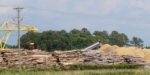
How high the hurdles are in practice for using hardwood as a material was demonstrated by the closing excursion to the sawmill of Holzindustrie Templin. Participants were shown the technical and economic challenges the sector faces, and how demanding the market environment is.
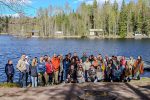
Where the conference kept its promise was in enabling genuine exchange. Senior representatives from the European Commission, the German government, business, science and civil society wrestled with one another over the best ideas. And one did not have the impression of the usual stock phrases, but that participants were genuinely interested in the arguments of the other side, in the arguments beyond their own bubble.
The magic formula for closing the biomass gap was not found. What can be said without a doubt, though: it was a relevant and honest exchange in which the bioeconomy and its supply of raw materials were examined from various angles and at a high professional level, with plenty of threads to pick up in future.
And for anyone who now wants more: next stop is Sweden, right on the doorstep of our project partner Ekoskog. In early summer 2027 it will be the practitioners from forestry who have the floor: how much wood can forests actually produce sustainably for a bioeconomy? To be continued.
Conference agenda “Closing the Biomass Gap”