All posts filed under: bioeconomy

European NGOs Discuss the Future of the Bioeconomy

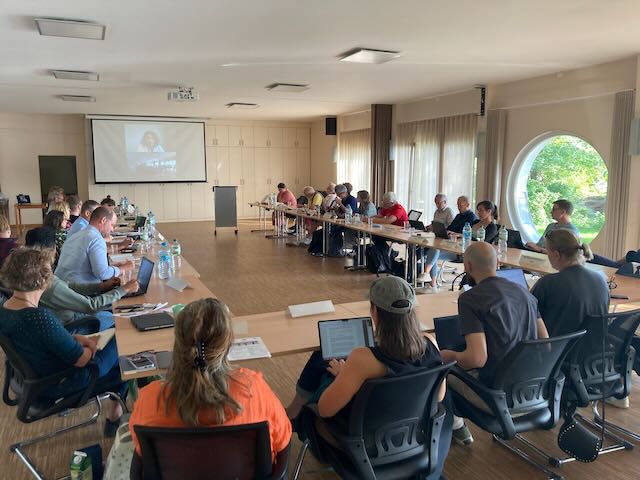
On 21 April 2026, more than 50 NGO policy experts and campaigners from across Europe came together in an online workshop to discuss the opportunities and risks arising from the new EU Bioeconomy Strategy. The discussions focused particularly on forests and wood-based industries. The workshop opened with a critical reflection on the concept of the bioeconomy itself. Dr. Joachim Spangenberg (Friends of the Earth Germany) stressed that, despite its significant share of employment, the bioeconomy remains one of the less innovative and productive sectors of the EU economy. He also questioned whether fossil-based materials and energy systems could realistically be replaced on a large scale by biomass-based alternatives without exceeding ecological limits. Sydney Vennin from Fern then presented the latest developments surrounding the EU Bioeconomy Strategy. Many participants expressed concern that the updated strategy largely reinforces existing structures: it promotes increased investment and deregulation to expand biomass production without addressing the need to reduce overall resource consumption. At the same time, participants also identified opportunities for positive change, including phasing out subsidies for forest bioenergy, …

EU Bioeconomy Strategy: Growth First, Planet Second?

Now it is finally out! Commissioner Jessika Roswall did not miss the chance to personally present the new EU Bioeconomy Strategy last week at a press conference. It has become the expected document – steeped in the spirit of economic growth, so-called innovations of all kinds, and the dismantling of supposedly hindering regulations, but also with a touch of sustainability and planetary boundaries. Or, to quote the Commission: “Nature itself can become part of Europe’s competitiveness.” The publication of the strategy update represents the end of a process of discussions with NGO colleagues and exchange with staff from the Commission and Parliament. Above all, we contributed to the debate in cooperation with 60 fellow civil society organisations and developed frameworks for a responsible bioeconomy. Moments like this are a good opportunity to draw conclusions about whether one’s own commitment to the process ultimately justifies the outcome. More specifically, it can be checked whether any of our jointly formulated demands have been adequately addressed in the final version of the strategy. Concerning our first point – …

Building a Better Bioeconomy

Reframing the EU Bioeconomy Strategy: Towards an Ecologically and Socially Sustainable Future At the end of 2025, the European Union will present its revised Bioeconomy Strategy – a step with far-reaching implications for rural communities, businesses, climate action, and forests both in Europe and globally. While a public consultation on the topic is currently underway, denkhausbremen and its project partner Fern organized the high-level event “Building a Better Bioeconomy” at the European Parliament on June 12, 2025, as part of a project funded by the European Environment Initiative (EURENI). The event was hosted by Members of the European Parliament Maria Ohisalo (Greens/EFA) and Michal Wiezik (Renew), with support from BirdLife Europe, Oxfam, and the European Environmental Bureau. The gathering brought together over 50 participants from rural areas, the business sector, forestry, and civil society from across Europe, alongside representatives from the European Commission and the European Parliament. The objective: to ensure that the new strategy paves the way for an ecologically and socially sustainable bioeconomy. The discussions quickly made one thing clear: the amount of …

CSOs call for a future-proof EU Bioeconomy Strategy

Bremen, Brussels – June 12, 2025 Download position paper as PDF here! In a position paper published today, 60 civil society organizations call for a fundamental reorientation of the EU bioeconomy strategy: The bioeconomy of the future must be ecologically sustainable and socially just. The organizations criticize the fact that the current bioeconomy policy perpetuates an outdated economic model based on overuse and waste (for example through energy production from biomass). Real change requires a consistent break with this logic. Large-scale biomass imports from the global South are not a responsible option. Residual and waste materials are also far from being able to cover the raw material requirements of future economic models. A sustainable bioeconomy must therefore above all drastically reduce the overall consumption of resources. The statement was initiated by denkhausbremen, Oxfam, Fern, EPN, Ecodes and many other organizations committed to a responsible bioeconomy in Europe. CSOs call for a future-proof EU Bioeconomy Strategy In light of the revision of the EU Bioeconomy Strategy, civil society organizations are calling for a future bioeconomy that …

European Conference: Towards a Social-Ecological Bioeconomy

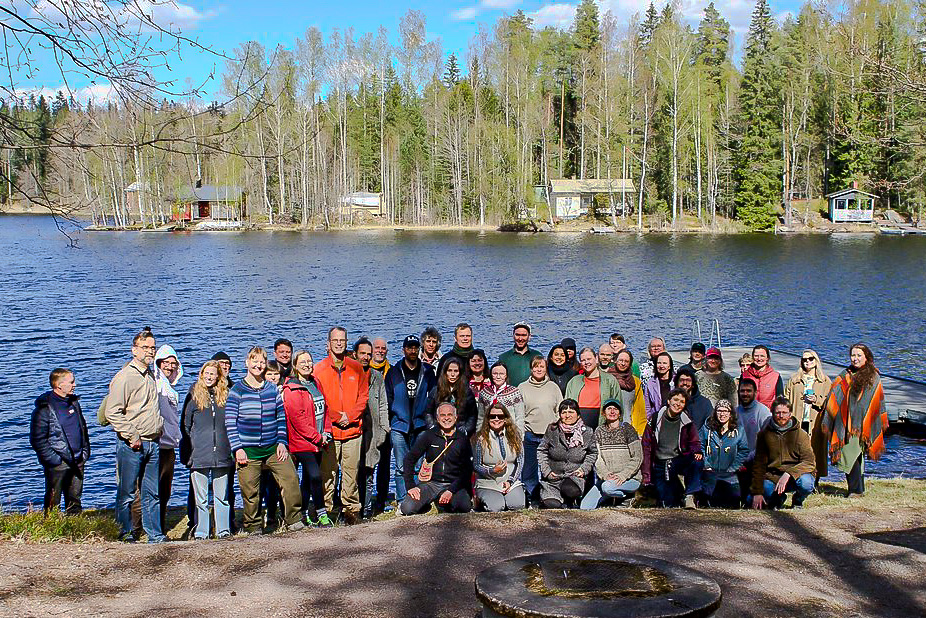
What political frameworks are necessary for the future bioeconomy in Europe to be both socially just and ecologically sustainable? The conference, organized by denkhausbremen and featuring high-profile guests, aimed to provide answers to this question. Around 40 participants from nine different European countries gathered for a three-day retreat in Lychen, near Berlin. Representatives from the European Commission, the German government, academia, and civil society engaged in panel discussions following numerous keynote presentations. An artistic program provided a creative backdrop, rounding off the successful event. A key point emphasized throughout the conference was the limited availability of bio-based resources, given that ecosystems are already under strain and suffer damage from current biomass uses. Additionally, the potential danger was highlighted that the so-called Global South might primarily become a supplier of raw materials for a European bioeconomy. Ultimately, however, participants agreed that the bioeconomy could be part of the solution – provided the right political frameworks are in place. The discussions were able to tie into current political processes, as the EU is currently revising its bioeconomy …

70 NGOs call for sustainable and socially just EU bioeconomy strategy

70 NGOs call for sustainable and socially just EU bioeconomy strategy Bremen, Brussels – 12. March 2024 Download the position paper as a PDF here! With the impending revision of the EU Bioeconomy Strategy on the horizon, 70 non-governmental organizations (NGOs) have jointly issued a position paper today, advocating for a bioeconomy that upholds both ecological sustainability and social equity. The undersigned organizations emphasize that the focus of the bioeconomy strategy must fundamentally shift for this purpose. The current waste economy must be stopped. They assert that large-scale biomass imports from the Global South are not a viable solution. Moreover, the NGOs assert that waste and residues alone will not suffice to meet the future economy’s raw material requirements. In addition to these points, the NGOs call for genuine participation of citizens and civil society, urging for tangible resources to support their involvement, not just on paper. The initiative to release this statement was coordinated by the Bioeconomy Action Forum, with active involvement from denkhausbremen, FERN, and ELF, all committed to promoting a responsible bioeconomy. …

New Study: The potential of forests to supply the European bioeconomy.

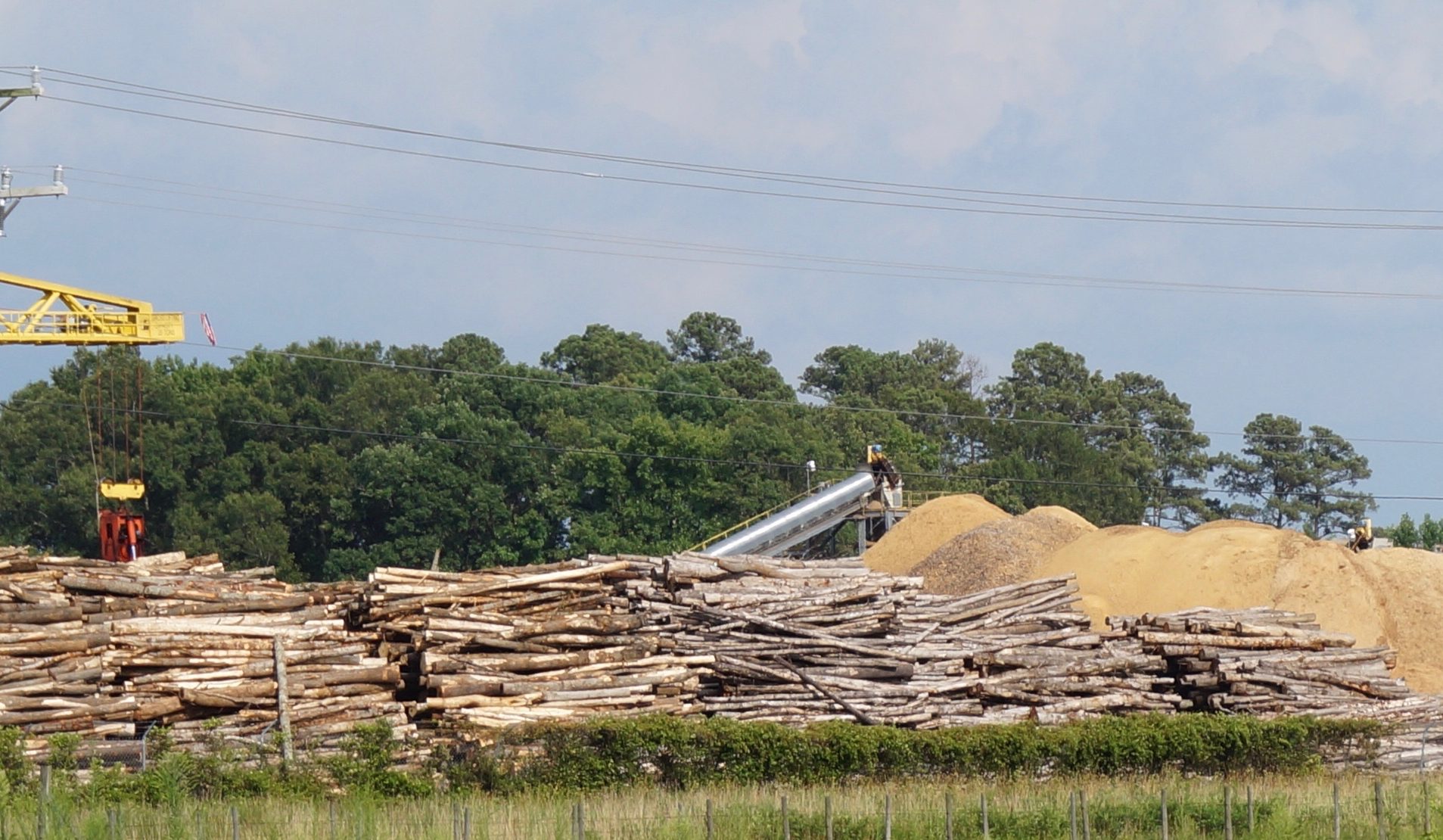
An increasing number of industries are committing to transition to a bioeconomy, to replace everything from cotton to plastic to concrete with biomass alternatives. They are supported by a European policy environment that is encouraging this shift. But what does this mean for forests? Fern and denkhausbremen commissioned a report to give an overview of current and projected levels of EU wood production; uses and impacts on forests, the climate and biodiversity: ‘Stemming the Tide – the potential of forests to supply the European bioeconomy’. Although forecasting is a difficult exercise as the amount of wood that a forest can supply depends on the rate of climate change and responses to it across the economy, the findings were clear: multiple policies are increasing demand for wood for a range of sectors, which is increasing production (harvesting) as well as imports of tropical fibres. As a result, forests are absorbing and storing less and less carbon dioxide, making it harder to meet climate commitments. Increasing the European bioeconomy without reducing consumption would be a disaster. Policies …

When biocapitalism unpacks the chainsaw

Environmental organizations warn against an expansion of the so-called bioeconomy at Forest Movement Europe gathering As always, it was a meeting in the forest for the forest. The annual top meeting of environmental organizations and forest activists, hosted this time by the Polish organization Workshop for All Beings in Białowieża in northeastern Poland, one focus was on a growing concern of the European environmental movement: The threat to forests posed by the bioeconomy. Apart from its roles in climate regulation, biodiversity, and water balance, the forest is expected to become a significant source of raw materials for the future economy. Wood is already used as an energy source, in the paper industry, and as a construction material. In the future, it could also replace oil, gas or coal in the production of cola bottles, tar for road surfaces, and serve as a raw material in the chemical industry. This potential expansion raises the possibility of extensive deforestation if the aspirations of the forestry industry and bioeconomy strategists come true. Consequently, denkhausbremen, along with project partners …

Consequences of the Ukraine war for the bioeconomy

Consequences of the Ukraine war for world food supply: German government must rethink bioeconomy Download position paper as PDF here! The Ukraine war is causing immeasurable suffering: Civilians are being displaced or even killed. The fighting soldiers also suffer trauma, torture and death under the cruelty of war. Beyond this horror, the war once again exposes failures of the world food system and further increases the chronic global crisis of hunger. Most affected are states and people in the Global South who have lost food sovereignty. For the world‘s 828 million hungry, it becomes evident once again that global supply chains are not designed to feed them. These developments clearly show how hunger is further exacerbated when agricultural commodities are made scarce and expensive by nervous markets. An industrialized countries’ shift from a fossil-based economy to a bioeconomy would result in similar negative effects, if the industrial agricultural system and our resource overconsumption remain unchanged. Wealthy countries as well as transnational corporations would buy all they can to keep their „green“ economy going. The German …

Study on the bioeconomy in neighboring European countries

What is actually going on in the bioeconomy debate at EU level and in our neighboring European countries? And how do our colleagues from the environmental and development associations assess the respective national discussions on the bioeconomy? This is the subject of the short study “Shaping Bioeconomy Strategies in Europe: The Role of Civil Society”. In it, author Wolfgang Kuhlmann, commissioned by the Bioeconomy Action Forum, describes the main European policy processes and highlights the debate in Finland, Sweden, Estonia, Italy, France and the Netherlands. The focus here is particularly on the role of civil society. Even if the paper does not claim to be exhaustive, it does show one thing: Looking beyond the German horizon provides fresh impetus. Click here to download Summary of the Study The EU Bioeconomy Strategy stresses the role of bio-based products as alter- natives to fossil-fuel counterparts, and their importance in developing a sustain- able economy based on renewable materials in Europe. It encourages member states to develop national bioeconomy strategies or equivalent policies that enhance the cooperation between …